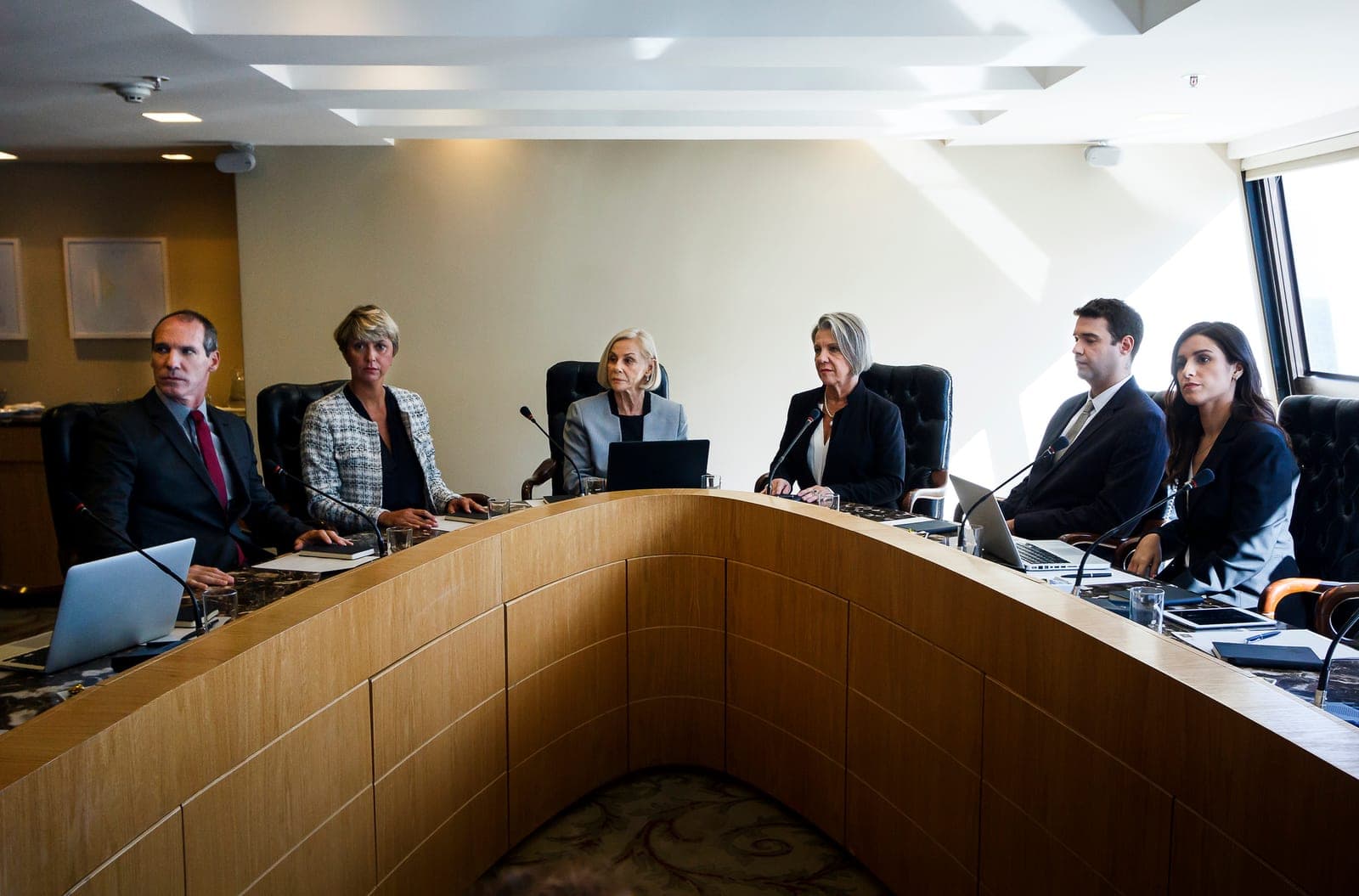
Florida's Medicaid ABA task force met in Tallahassee on October 5 for a near full-day session, its second full meeting since the Legislature created it this summer. No recommendations were adopted, but the ideas presented go well beyond budget caps, and some of them would change how every ABA provider in Florida operates. AHCA Secretary Shevaun Harris, who chairs the panel, said she wants the recommendations finalized this month, with two more meetings expected before the final report goes to the Legislature.
This article covers what was actually proposed, who proposed it, and what it would mean for families receiving services and for the professionals delivering them. For the background on what the task force is, who sits on it, and why it exists, start with our September overview of the task force.
One framing note: everything below is a proposal under discussion, not a decision. Nothing in current coverage or authorizations changes because of this meeting.
Licensing ABA agencies, not just the people in them
The most consequential idea came from David Harbour, CEO of Centria Autism, one of the country's largest ABA providers: Florida should license the businesses that provide ABA, not only the individual BCBAs and RBTs who work for them. Today, Florida regulates the clinicians through BACB certification and state requirements, but the agency employing them faces no licensure of its own.
Harbour paired the idea with a second one: tie Medicaid reimbursement to annual surveys of licensed providers, with a failed survey carrying a 10 percent reduction in rates during a correction period. By his own acknowledgment, no state has done this yet. Secretary Harris called the concept interesting and said AHCA has been intrigued by it.
For families, agency licensure would mean a state-level quality floor beneath the provider you choose, something that today exists only through certification of individuals. For providers, it would mean surveys, correction plans, and rate consequences, familiar machinery in skilled nursing and home health, new to ABA.
Therapies beyond ABA on the table
The panel also heard from Sheryl Rosin, a certified speech-language pathologist, who told members that no single approach has definitively settled that it is the right treatment for autism and described alternatives, including DIR Floortime. The suggestion under discussion is that Florida Medicaid could offer families therapy options beyond ABA.
Our view as a clinical practice is the one we have always published: ABA has the deepest evidence base for building communication and adaptive skills, and it is not the only discipline a child may need. Many children benefit from speech and occupational therapy alongside behavior analysis, and a funding structure that recognizes complementary services is not a threat to good ABA. What matters for families is that any expansion of options comes with the same evidence and oversight expectations applied to ABA.
A parent-participation requirement, Texas style
The panel discussed requiring Medicaid families to attend ABA parent training sessions, modeled on Texas. A Texas official clarified the actual policy during the meeting, after public testimony from Mariel Fernandez of the Council of Autism Service Providers: Texas requires 85 percent utilization of scheduled parent training sessions, not a fixed monthly minimum.
Parent training is already part of well-run ABA programs, including ours, because caregiver involvement is one of the strongest predictors of generalized progress. The policy question is what happens to a child's authorization when a parent's work schedule collides with a utilization threshold. If Florida adopts a version of this, the details of how absences are counted will matter more than the headline requirement.
What happens next
The task force expects two more meetings before adopting final recommendations, and Secretary Harris has said she wants them finalized in October. Meeting dates must be posted publicly at least seven days in advance on AHCA's task force page, and the panel's recommendations go to the Governor and the Legislature, which decides what becomes law or rule.
Nothing announced on October 5 changes services today: authorizations, coverage, and provider enrollment all operate under current rules until the Legislature or AHCA acts. The realistic window for changes reaching families is the 2027 legislative session and after.
What families and professionals can do now
For families: keep your documentation current, assessments, treatment plans, and progress data are the record that protects continuity of care through any policy change, and attend the parent training your program offers, both because it works and because participation may eventually carry weight in authorizations. Public comment is taken at task force meetings, in person and in writing.
For RBTs and BCBAs: agency licensure and survey-tied rates would raise the premium on clean clinical documentation and measurable outcomes. Practices that already run on data have little to fear from surveys. If you work in Florida Medicaid, watching the posted agendas is worth fifteen minutes a month.
We will keep this coverage current as the final recommendations land, the same way this article updates our September overview.