If there is one finding from the ABA research literature that deserves more attention in clinical practice and in conversations with families, it is this: parental involvement in behavioral intervention is one of the strongest predictors of child outcomes. Studies consistently show that children whose parents receive structured, skills-focused behavioral training make significantly faster progress, maintain their gains more durably, and generalize skills to more settings and people than children whose families are minimally involved in the therapeutic process.
Despite this evidence, parent training is frequently underdelivered in ABA practice. Agencies may offer it nominally (a monthly check-in call, a handout sent home) while dedicating the bulk of billable hours to direct therapy. This is a clinical shortcut that limits the impact of everything else in your child's program. Understanding what effective parent training should look like equips you to demand it and use it.
Caregiver training is also one of the twelve questions to ask an ABA therapist before you commit to a program.
Why parent training is clinically essential, not optional
The mechanism behind parent training's impact is generalization: the ability of a child to perform a skill across different people, settings, and materials. A skill that a child can demonstrate only with their RBT, only in the therapy room, is not functionally acquired. It is rote performance in a specific context. For a skill to become genuinely useful, it must be practiced consistently across the multiple environments that make up the child's daily life.
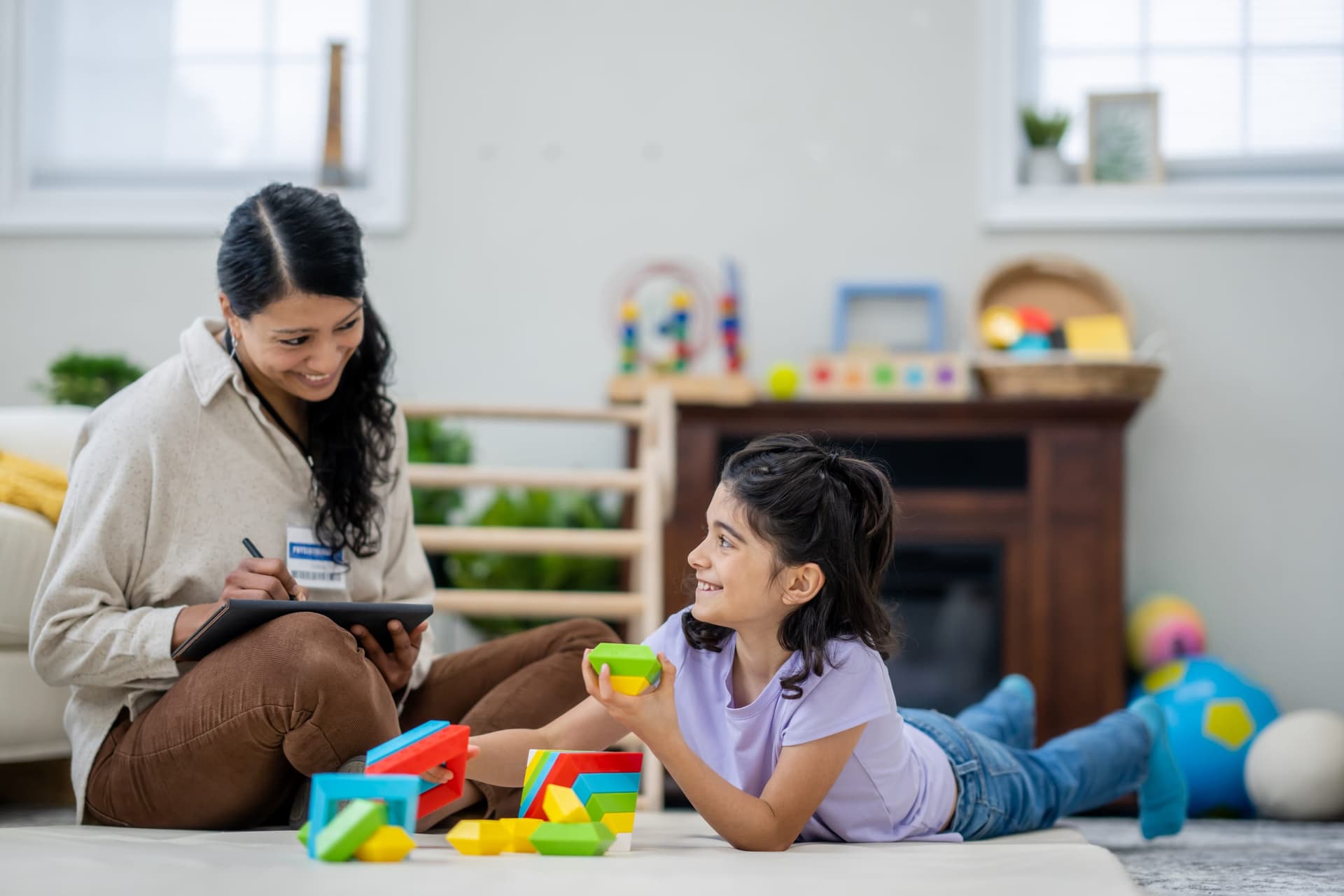
Parents and caregivers are the constant across a child's environments. RBTs may work with a child 20 hours per week, but parents interact with their child the other 100-plus waking hours. The behavioral principles applied consistently during those hours determine whether the skills built in therapy transfer to real life or remain confined to the therapy context.
There is also an economic argument. Parent training is the highest-leverage investment in an ABA program because it multiplies the instructional intensity available to the child without adding therapy hours. A parent who learns to embed naturalistic teaching opportunities throughout daily routines (mealtimes, bath time, car rides, grocery shopping) effectively adds dozens of learning trials per day to their child's program at no additional cost.
What effective parent training looks like
Effective parent training is not a lecture. The research on behavior skills training (BST), the evidence-based framework for teaching behavioral procedures to caregivers and staff, is clear: written instructions and verbal explanation alone produce poor implementation fidelity. Adults learn behavioral procedures through a combination of instruction, modeling, rehearsal, and performance feedback.
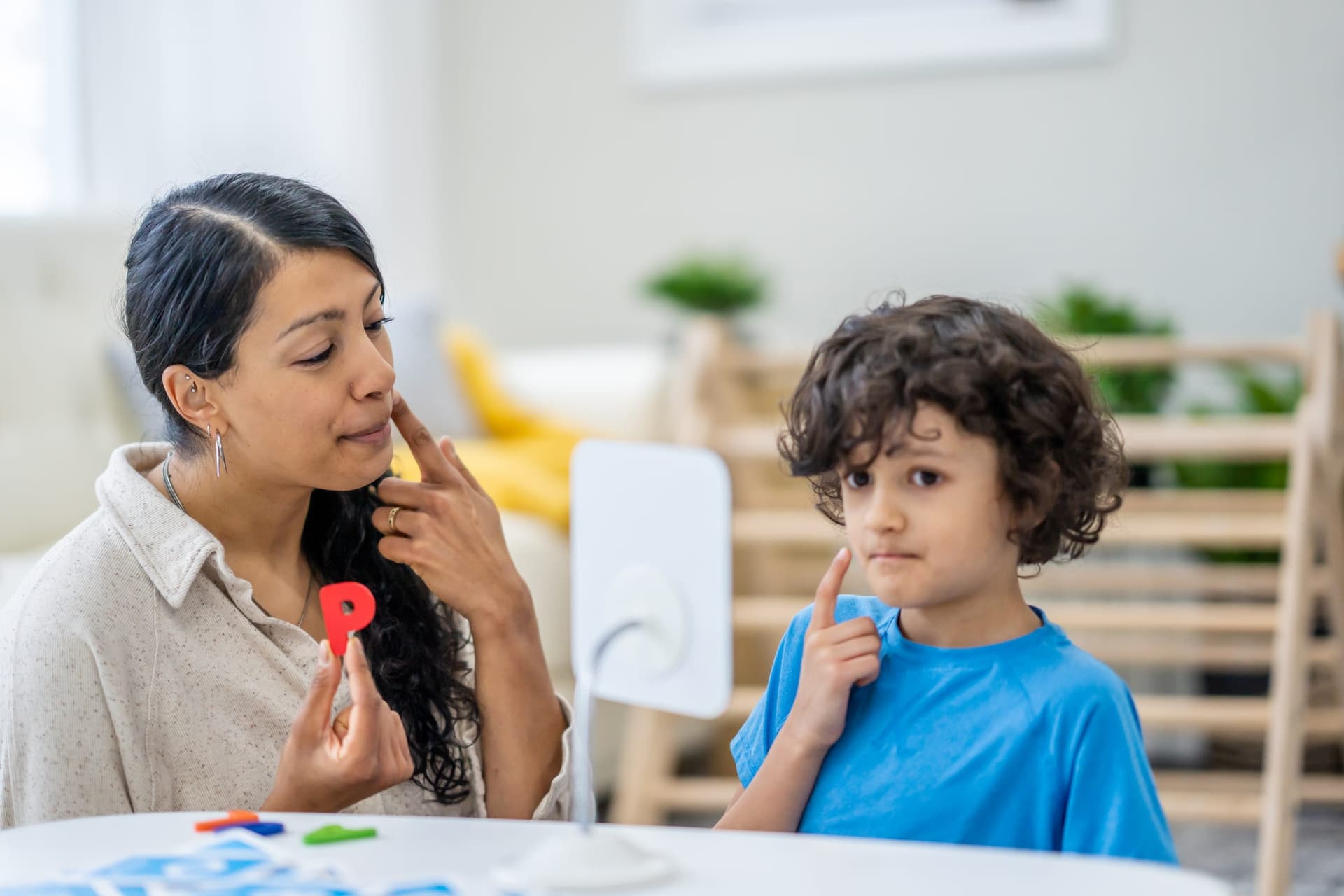
A BCBA delivering quality parent training will describe the procedure clearly, demonstrate it with your child while you observe, then observe you implementing it with your child and provide immediate, specific feedback (not "that was great" but "when your child initiated eye contact, you delivered the reinforcer within two seconds) that was exactly right" or "try reducing the wait time between your instruction and the prompt to three to five seconds."
This process requires time and direct contact between the BCBA and the family. Monthly one-hour BST sessions are a reasonable starting minimum for most families; families who are more actively implementing programs at home may need biweekly contact. Agencies that deliver parent training exclusively through written handouts or asynchronous video resources are not meeting the clinical standard established by the research.
What parents are trained to implement
The content of parent training varies depending on the child's current goals and the family's priorities, but typically spans four functional domains: behavioral principles, skill acquisition procedures, behavior management strategies, and naturalistic teaching.
Behavioral principles training gives parents a conceptual foundation: understanding reinforcement and punishment, how to identify behavioral functions, why consistency of implementation matters, and how environmental arrangement affects behavior. This conceptual layer helps parents understand why they are implementing specific procedures, which significantly increases implementation fidelity compared to following procedures they do not understand.
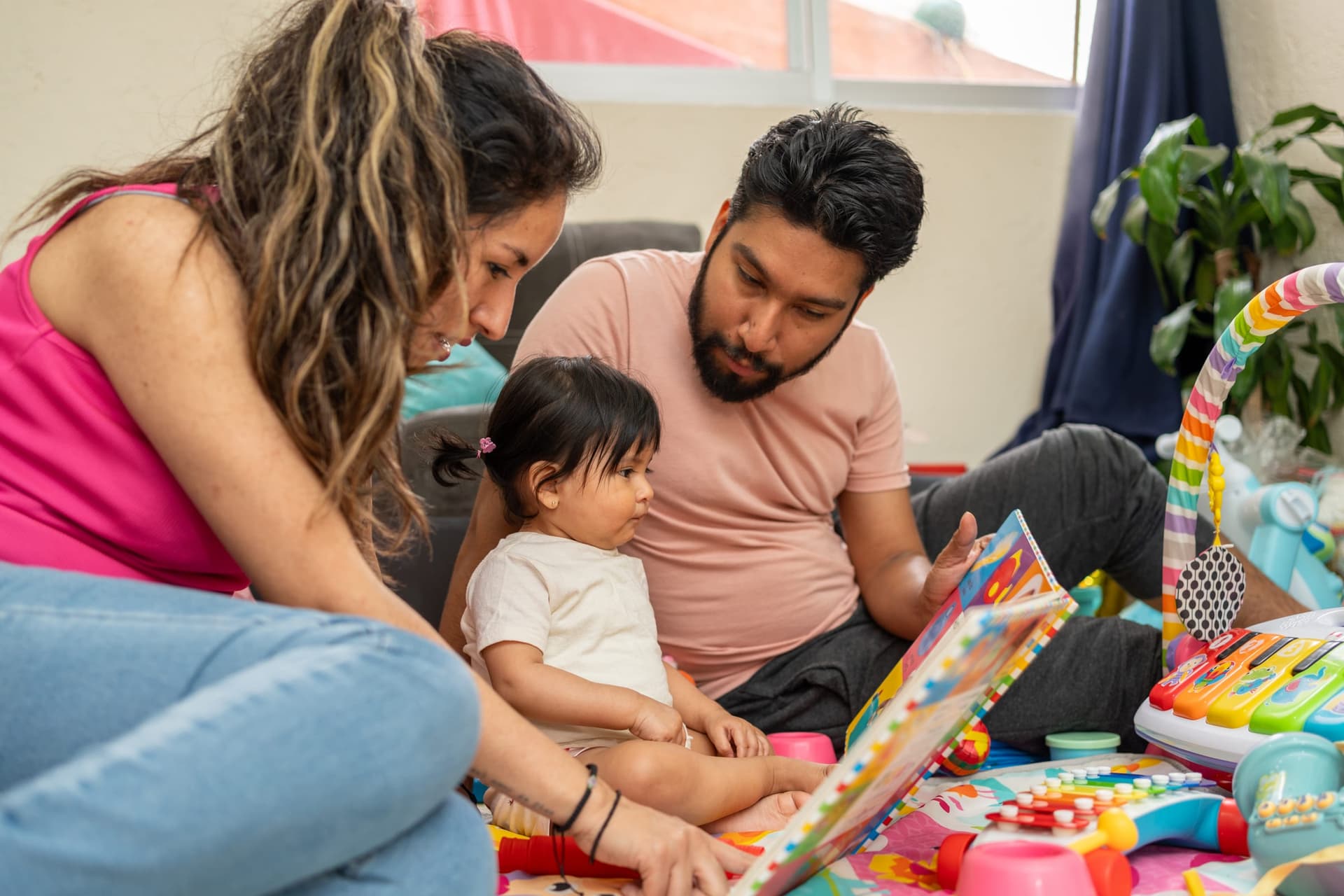
Naturalistic teaching strategies (including incidental teaching, mand training in the natural environment, and embedding trials in daily routines) are often the highest-impact component of parent training because they extend the instructional day far beyond formal therapy sessions. A parent who knows how to create a mand opportunity during a snack, prompt joint attention during a walk, or use a preferred activity as the context for practicing language targets is adding meaningful instructional time every day.
Managing the emotional dimension of parent training
Parent training has an emotional dimension that is absent from therapist training. Parents are not neutral implementers. They are deeply invested in their child, carry the weight of the diagnosis, and may have their own history with the behaviors being targeted.
It is entirely normal for parents to feel overwhelmed by the volume of strategies they are asked to learn, guilty when they implement procedures inconsistently, frustrated when their child's behavior is more difficult to manage at home than in sessions, and emotionally exhausted by the demands of being a behavioral intervention partner on top of everything else parenting requires.
A quality BCBA will pace training to what is achievable for your family's actual life, prioritize the procedures that produce the highest clinical return first, build your confidence through early successes before introducing more complex strategies, and adjust the training plan when life circumstances make implementation difficult. The goal is a sustainable, effective partnership: not perfection.
How to maximize the impact of parent training
Show up to parent training sessions prepared. Before each session, review what was covered last time, note where you encountered difficulty in implementation, and bring specific questions. Specific questions produce specific, useful guidance. Vague check-ins produce generic feedback.
Implement between sessions. Parent training only produces outcomes if the skills are practiced. Block 10 to 15 minutes of deliberate practice daily for the first few weeks after learning a new procedure: practice that is planned and intentional, not waiting for the procedure to become necessary in a moment of behavioral challenge.
Communicate transparently with your BCBA about what is working and what is not. If a procedure that makes sense in theory is not working in the chaos of a real morning routine, say so. The program should be designed around your family's reality. Your BCBA can only adjust the program to fit your life if they know what your life actually looks like.